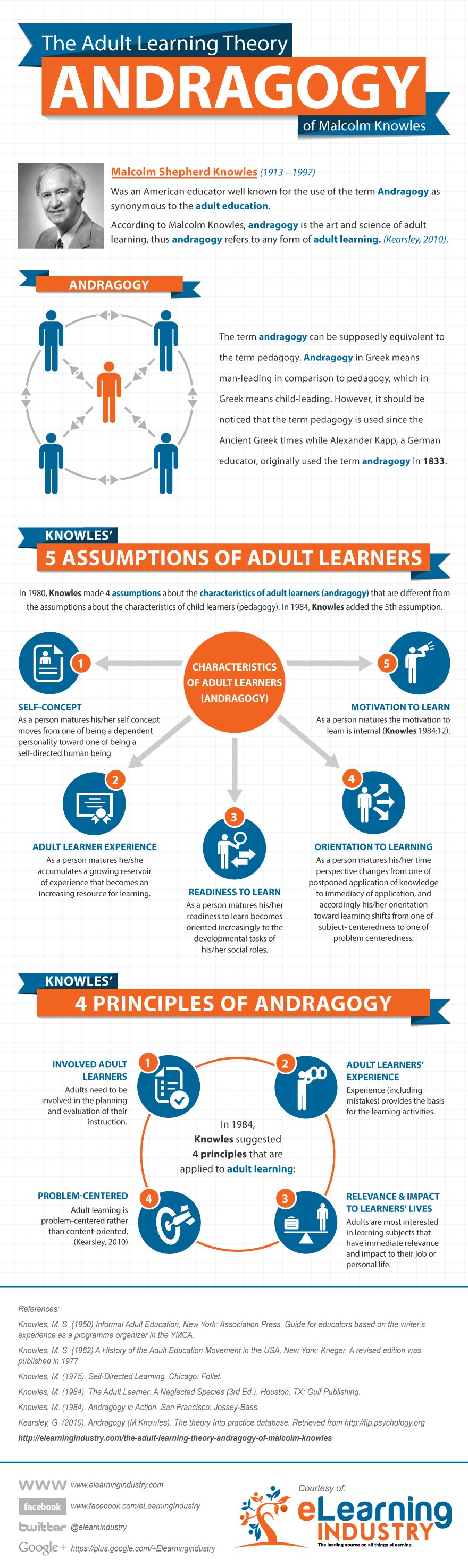
As both an adult learner who has gone back to school (yet again…) and someone who works in Higher Education as an Instructional Designer and Adjunct Instructor, this week’s readings and blog assignment are particularly relevant to my day-to-day experience.
Kendra’s post discussing that her students were not meeting their self-pacing targets and her concerns around lack of parental support made me wonder how I would engage students demonstrating low motivation. I confessed that I’m still a “gold sticker girl” and encouraged her to consider badging as a way to increase external motivation and differentiate beyond the curriculum. For example, offering badges for completion of required lessons or enrichment badges for work supplementing the Saxon curriculum. When I shared that I was a student who excelled at Algebra but never quite got Geometry, it led to further discussion as Gerald, Kendra, and I discussed the idea that self-pacing would allow a student like me to move ahead when I excelled (Algebra) and take time where I struggled (Geometry). Kendra followed up by asking about my internal motivation but I encouraged her to not forget external motivation as I explained other (grades, scholarship, grad plan, competition with friends) motivating factors that got me through difficult courses.
Although we weren’t able to converse in the comments, Jim’s blog discussed the importance of parental interaction but sent me on a bit of a rant (rant-lite?) about parents who are too involved. I described a district where I worked and asked him to consider environments where parents believe they know more than you do about your content and how to teach it, call parent teacher meetings to discuss A’s that are too low, and twist their kids in knots over obtaining the highest grades, removing any intrinsic love of learning. Reflecting on both our posts, I believe there is a sweet spot for parent involvement; you want parents who care about their student’s success, engage students around what they’re learning in school at home, and who support your efforts to instruct their children. At the same time, you want them to park the helicopter and trust you to do your job.
Rachelle and I, as coworkers, engaged in her blog about how we could differentiate in our program. As one of our distance faculty, she works with a smaller cohort, in the same community with her students, and feels this enables her to have a more holistic understanding of her students (I agree). We discussed the importance of allowing students choice in their class case studies and encouraging them to look for articles of interest related to course topics, with Rachelle noting that only once had two students selected the same article. Finally, we discussed the nature of peer review in higher education; her comment that she is interested in peer review so she can grow, stands in stark contrast to faculty who see peer review or suggestions from above to implement new methodologies (such as differentiated instruction) as infringement on their academic freedom. I reflected that the environment in Higher Education is very different from that of K-12 and I wondered if it has to do with tenure concerns and how we can pull peer-review out from under the umbrella of “academic freedom.” On the whole, the lack of oversight in Higher Education is something I find troubling, but I’m not sure how to fix it.
Josie’s blog included “no child left behind” as a benefit of differentiated instruction and really encouraged me to consider how the No Child Left Behind (NCLB) Executive Order shared marked similarities with the concepts behind differentiation (my comment is still waiting moderation). Having been in the classroom when NCLB was implemented, and later having the opportunity to hear both President and Mrs. Bush speak about the motivation behind the order, it’s easy to see the similarity to differentiation when you understand the intent was to ensure every student has equal access to education and the ability to succeed. Equal access to learning is a phenomenal concept we should all get behind, but it’s somewhat of a Catch-22 coming from the government. You want measurable outcomes, but does standardized testing really measure every if student is learning to the best of their ability or that a teacher can teach to the test?
Josie and I did interact on my blog, reflecting that as adult learners we want the content in our courses to be relevant to our lives but that sometimes we don’t apply the principles we most appreciate in our lives when teaching. In other words, we forget what defines us, and our students, as adults. Gerald wondered what differentiation looked like in Higher Education math classes and I encouraged him to reach out to UA faculty and do peer brainstorming sessions so, together, they could decide how to best differentiate for their students based on what they know to be coming. Finally, Rachelle and I discussed the concept of reflection; I thought about it quite a bit and I concluded that reflection is a skill that needs to be taught, particularly in the world we live in with technology and the fast pace of life encouraging brief, surface interactions, rather than deep, meaningful connections.